
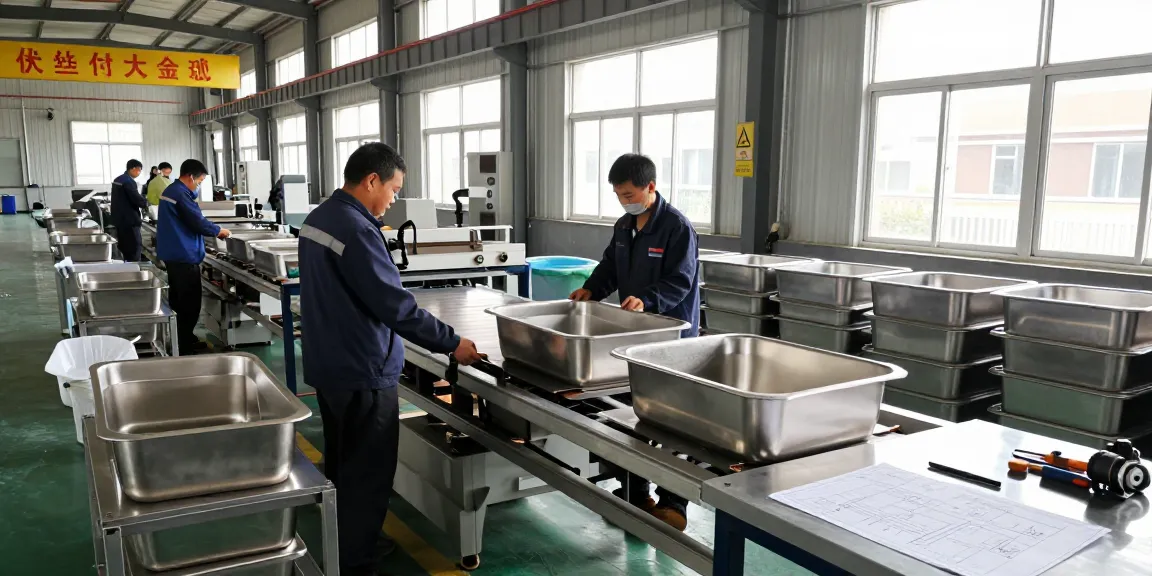
Understanding the Stainless Steel Basin Factory Landscape
Stainless steel basins are essential components in residential and commercial kitchens, appealing due to their durability, aesthetic appeal, and ease of maintenance. As the demand for quality stainless steel products continues to rise, the importance of understanding the stainless steel basin factory landscape has never been more critical. In this article, we will explore various aspects of stainless steel basin manufacturing, including current trends, key players, and essential factory features that contribute to a successful production environment. When exploring options, stainless steel basin factory insights can guide you in making informed decisions.
Overview of Stainless Steel Manufacturing Trends
The stainless steel manufacturing industry has experienced significant changes over the past few years, driven by advancements in technology and evolving consumer preferences. One of the most pronounced trends is the shift towards sustainability. Manufacturers are increasingly adopting eco-friendly practices, such as recycling materials and minimizing waste during production. This shift not only addresses environmental concerns but also appeals to a growing demographic of eco-conscious consumers.
Additionally, automation and smart manufacturing technologies are gaining traction. Factories are introducing robotics and advanced machinery to streamline production processes, which significantly enhances efficiency and reduces operational costs. The rise of Industry 4.0 has also led to the integration of IoT (Internet of Things) devices, allowing real-time monitoring of production lines and inventory management.
Key Players in the Industry
The stainless steel basin market features several key players, each specializing in unique aspects of production. Established companies like Just Manufacturing and Elkay are recognized for their high-quality products and commitment to innovation. These players invest heavily in research and development to create designs that are not only functional but also aesthetically pleasing.
Furthermore, emerging companies are entering the market, providing niche products tailored to specific consumer needs. This dynamic competition ensures a wide variety of options for buyers, influencing pricing and product features significantly.
Insights on Factory Locations and Capacities
Geographical location plays a significant role in the operations of stainless steel basin factories. Regions with access to robust logistics networks and skilled labor pools are more likely to thrive in stainless steel manufacturing. Countries like China dominate the market due to their extensive production capabilities and lower labor costs. However, manufacturers in the United States are also competing by focusing on quality and customization, appealing to consumers who value local craftsmanship.
Moreover, factory capacity varies widely among manufacturers. Large factories can produce vast quantities of basins quickly, meeting high demand, while smaller facilities often emphasize artisanal methods and bespoke products. Understanding these capacities helps buyers determine which manufacturers can meet their specific needs.
Essential Features of a Quality Stainless Steel Basin Factory
Materials and Techniques Used in Production
The quality of materials used in the production of stainless steel basins significantly impacts their performance and longevity. High-grade stainless steel, commonly referred to as 304 or 316, is preferred for its resistance to corrosion and rust. Factories must ensure they source their materials from reputable suppliers to guarantee product integrity.
In terms of production techniques, various methods such as deep-drawing, hydroforming, and welding are employed to create basins. Each technique has its advantages, with deep-drawing being particularly effective for creating seamless designs that enhance durability.
Quality Control Measures in Manufacturing
A top-tier stainless steel basin factory should implement rigorous quality control measures throughout the manufacturing process. This includes regular inspections of raw materials, in-process evaluations, and final product testing. Utilizing International Organization for Standardization (ISO) standards can further ensure that production processes meet global quality benchmarks.
Furthermore, customer feedback mechanisms should be established to continuously improve product designs based on real-world performance and user experiences.
Innovation and Technology in Basin Production
The integration of innovative technologies in basin production is transforming the industry landscape. Advances in CNC (Computer Numerical Control) machining, for example, allow for greater precision in cutting and shaping stainless steel, resulting in more intricate designs and tighter tolerances.
3D modeling and simulation software are also becoming standard tools for design and prototyping, enabling manufacturers to visualize and test new products before committing to full-scale production. This not only reduces waste but also accelerates the time-to-market for new designs.
Common Challenges Faced by Stainless Steel Basin Factories
Supply Chain Issues Affecting Production
Supply chain disruptions have become increasingly common, impacting the ability of stainless steel basin factories to source materials and components on time. Factors such as geopolitical tensions, trade policies, and natural disasters can cause significant delays. Manufacturers are urged to diversify their suppliers and consider local sourcing to mitigate these risks.
Additionally, fluctuations in raw material prices can strain profitability. Companies need to adopt strategic purchasing strategies to lock in favorable pricing while remaining flexible to market changes.
Adapting to Sustainable Practices
As sustainability becomes a priority for consumers, factories face pressure to adopt greener practices. Compliance with environmental regulations is crucial, and factories must demonstrate their commitment to reducing their carbon footprint. This can include increasing the use of recycled materials, optimizing energy consumption, and implementing waste reduction strategies.
However, transitioning to sustainable practices can be challenging due to upfront costs and the need for employee training in new methods. Manufacturers must balance these challenges with the growing demand for eco-friendly products.
Responding to Market Demand Variability
The stainless steel basin market is influenced by various factors, including changes in consumer preferences and economic conditions. Manufacturers must remain agile to respond to these fluctuations, adjusting production schedules and inventory levels accordingly.
Implementing data analytics can help factories anticipate market trends and optimize their operations. By leveraging predictive analytics, manufacturers can better understand customer demand, allowing for more informed decision-making.
Strategic Partnerships and Collaborations in the Industry
Importance of Supplier Relationships
Building strong relationships with suppliers is essential for stainless steel basin factories. Reliable suppliers provide high-quality materials, which directly impact product quality. Establishing long-term partnerships can lead to better pricing and priority during supply shortages.
Additionally, collaborations with suppliers can foster innovation, as both parties may share insights and technological advancements to improve production processes.
Building a Network of Distributors
A robust distribution network is vital for reaching end consumers effectively. Manufacturers should prioritize partnerships with distributors who share their values and understand the market landscape. Engaging in joint marketing initiatives can also enhance visibility and drive sales.
Moreover, leveraging online platforms for direct sales can complement traditional distribution channels, enabling manufacturers to tap into a broader customer base.
Case Studies of Successful Collaborations
Examining case studies can provide valuable insights into successful partnerships within the stainless steel basin industry. For example, collaborations between manufacturers and design firms can lead to innovative product lines that fulfill emerging consumer trends.
Such partnerships not only expand product offerings but also enhance brand reputation by showcasing a commitment to quality and innovation.
Future Trends for Stainless Steel Basin Factories
Emerging Technologies and Automation
Looking ahead, the future of stainless steel basin manufacturing will likely be shaped by continued technological advancements. Automation will play an increasingly important role, improving production efficiency while reducing labor costs. In particular, robotics will be instrumental in enhancing consistency and precision across manufacturing processes.
Furthermore, the adoption of AI (Artificial Intelligence) for predictive maintenance can minimize downtime, ensuring that production lines run smoothly and efficiently.
Forecasting Market Demand and Consumer Preferences
Staying attuned to market demands and consumer preferences will be critical for factories aiming to remain competitive. Regular market research and consumer feedback will inform product development strategies, ensuring that manufacturers deliver what customers truly want.
Additionally, focusing on product customization and personalization can differentiate offerings and foster customer loyalty.
Regulatory Changes and Industry Standards for 2026
As we approach 2026, it is anticipated that regulatory frameworks surrounding manufacturing practices will evolve. Factories must prepare to comply with stricter environmental regulations and industry standards related to safety and quality control.
Staying informed about potential regulatory changes will allow manufacturers to adapt proactively, minimizing disruption and maintaining compliance with industry benchmarks.
What are the benefits of stainless steel basins?
Stainless steel basins offer numerous benefits, including durability, resistance to stains and corrosion, and ease of cleaning. They are also available in various sizes and styles, making them versatile for different kitchen designs.
How to choose the best stainless steel basin factory?
Choosing the best stainless steel basin factory involves assessing factors such as product quality, production capacity, and sustainability practices. Researching customer reviews and seeking recommendations can also help identify reputable manufacturers.
What innovations are shaping the future of stainless steel manufacturing?
Innovations such as smart manufacturing technologies, advanced materials, and eco-friendly production processes are reshaping the future of stainless steel manufacturing, offering new possibilities for customization and efficiency.
How does sustainability impact stainless steel basin production?
Sustainability impacts stainless steel basin production by driving manufacturers to adopt greener practices, such as using recycled materials and reducing energy consumption, ultimately meeting consumer demand for eco-friendly products.
What are the key metrics for measuring factory performance?
Key metrics for measuring factory performance include production output, defect rates, lead times, and overall equipment effectiveness (OEE). Monitoring these metrics helps identify areas for improvement and optimize operations.


