Understanding Sew in Weft Hair Extensions
Sew in weft hair extensions are a fantastic solution for anyone looking to enhance their hairstyle with volume and length. These extensions come in various forms, but the core concept involves weaving the wefts of hair onto the natural hair using a sewing technique. This method provides a secure and natural look, making it a preferred choice among hairstylists and clients alike. When exploring options, sew in weft hair extensions offer comprehensive insights into quality, longevity, and versatility, setting the stage for beautiful styling opportunities.
What are Sew in Weft Hair Extensions?
Sew in weft hair extensions consist of a long strip of hair that has been sewn onto the natural hair. They are typically made from 100% Remy human hair, which means the cuticles are intact and aligned in the same direction. This results in a natural look and feel, ensuring that the extensions blend seamlessly with your own hair. The wefts can be machine-made or hand-tied, each offering unique characteristics suited to different preferences and installation methods.
Advantages of Choosing Sew in Weft Hair Extensions
- Durability: Sew in weft extensions are known for their strength. When properly installed, they can last several weeks and even months with appropriate care.
- Versatility: They can be styled just like natural hair. You can curl, straighten, or color your extensions to match your desired look.
- Low Maintenance: Once installed, they require minimal upkeep, making them suitable for busy lifestyles.
- Natural Appearance: High-quality Remy wefts provide a realistic look and feel, enhancing your overall hairstyle without appearing artificial.
- Customizable: You can customize the placement, length, color, and volume according to your personal preferences.
Common Misconceptions About Sew in Wefts
One common misconception is that sew in weft hair extensions damage your natural hair. While improper installation and care can lead to damage, following the correct techniques significantly minimizes any risks. Additionally, some believe that sew in wefts are only for long hair; however, they can be installed on various hair lengths and types, making them a versatile option for many individuals.
Choosing the Right Type of Sew in Weft Hair Extensions
Comparing Machine Weft vs. Hand-Tied Weft Extensions
When selecting sew in weft extensions, it's crucial to understand the difference between machine wefts and hand-tied wefts. Machine wefts are constructed using machines and tend to be denser, offering a robust and durable option, while hand-tied wefts are lighter and more flexible, allowing for a more natural lay against the scalp. Depending on your hair type, desired look, and styling habits, you might prefer one over the other.
Factors to Consider When Selecting Hair Quality
Choosing high-quality hair is essential for achieving a natural look. Look for extensions made from 100% Remy human hair, as they are the most durable and natural-looking option. Pay attention to the hair's texture, weight, and color; they should all match your natural hair as closely as possible for a seamless blend.
How to Match Wefts to Your Natural Hair Texture
To ensure your sew in weft extensions blend perfectly, it’s important to match the texture of the extensions to that of your natural hair. If you have fine hair, opt for sleek wefts, while those with thicker hair may benefit from coarser, fuller extensions. Additionally, consider the color and highlights, ensuring they align harmoniously with your natural hues.
The Installation Process Explained
Step-by-Step Guide to Installing Sew in Weft Extensions
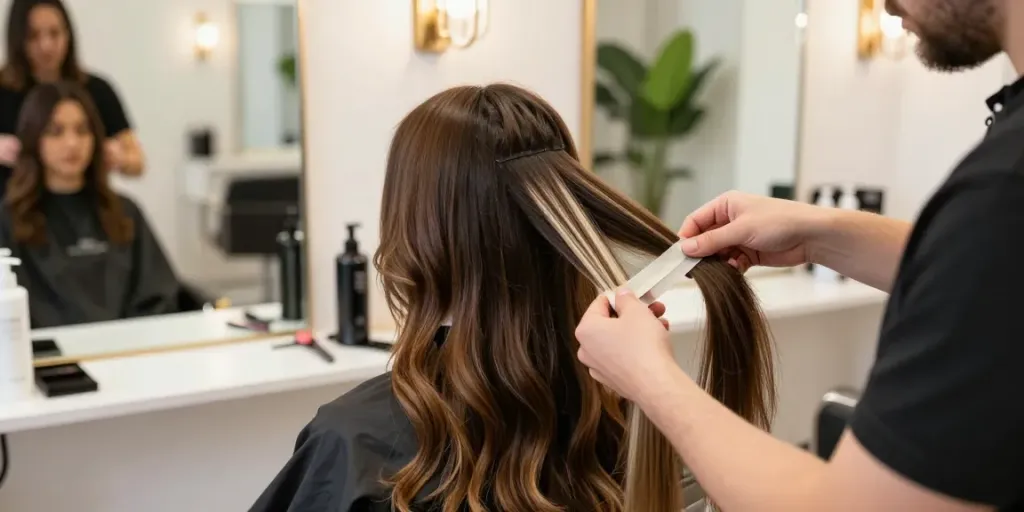
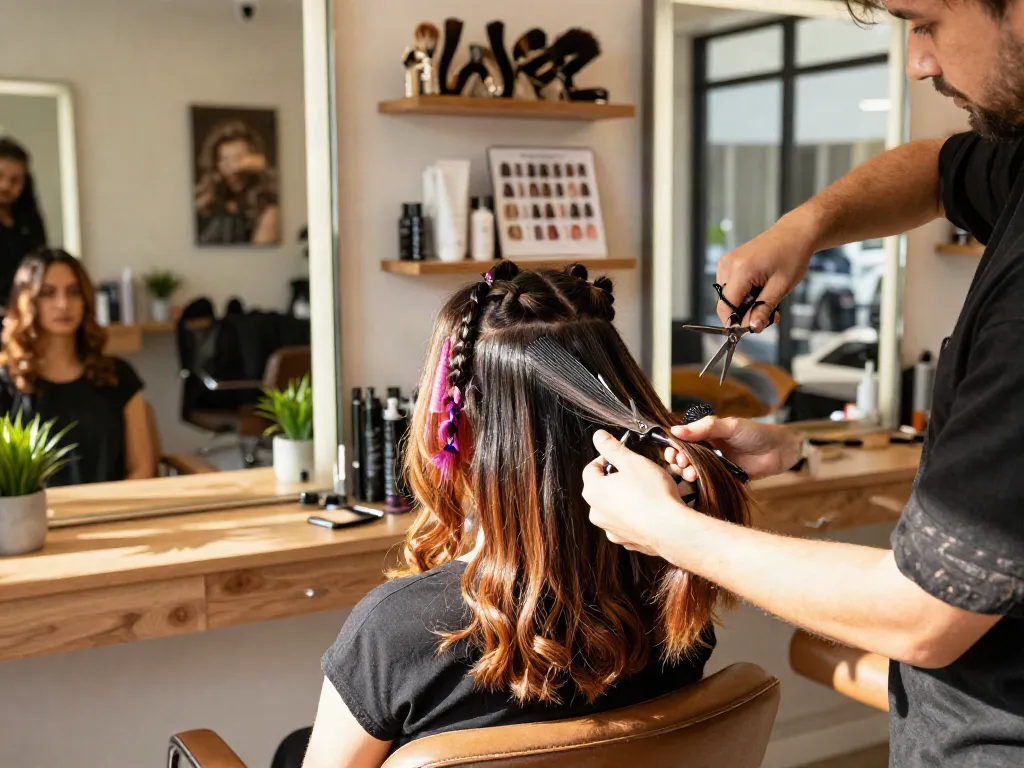
Installing sew in weft extensions involves several careful steps:
- Preparation: Start with clean, dry hair. Section off the hair where the wefts will be placed.
- Braiding: Braid the natural hair in rows to create a secure base for the wefts.
- Securing the Wefts: Using a needle and thread, sew the weft onto the braided hair. Ensure not to sew too tightly to avoid discomfort.
- Finish: Once all wefts are installed, blend them with your natural hair. Trim and style as desired.
Tools and Products Needed for a Successful Installation
To ensure a smooth installation, gather these tools beforehand:
- Sewing needle and thread
- Hair clips
- Scissors
- Comb
- Hair serum for added shine
Common Mistakes to Avoid During Installation
When installing sew in weft extensions, avoid these common pitfalls:
- Failing to properly prepare the natural hair can lead to tangles.
- Over-tightening the wefts can cause pain and damage to the scalp.
- Not securing the ends of the wefts properly can result in shedding.
Caring for Your Sew in Weft Hair Extensions
Best Practices for Maintenance and Longevity
Proper care is essential for maximizing the life of your sew in weft hair extensions:
- Gently detangle the extensions using a wide-tooth comb.
- Avoid over-washing; aim for 1-2 times a week to retain moisture.
- Use sulfate-free shampoos and conditioners to prevent drying out the hair.
How to Wash and Style Your Weft Extensions
When washing your extensions, follow these steps:
- Wet the hair thoroughly and apply a mild shampoo, gently massaging the scalp.
- Rinse thoroughly and apply conditioner, focusing on the ends.
- Air dry or use a blow dryer on a low heat setting to prevent damage.
- For styling, always use heat protectant products to maintain the hair’s integrity.
When to Seek Professional Help for Extensions
If you experience issues such as excessive shedding, tangling, or discomfort, consider consulting a professional stylist. They can help identify the cause and offer solutions to ensure your sew in weft hair extensions remain in optimal condition.
Future Trends in Sew in Weft Hair Extensions
Innovations in Hair Extension Technology by 2026
The hair extension industry is evolving rapidly, with technology paving the way for more innovative products. Expect advancements in synthetic materials that mimic human hair more closely, as well as improved installation techniques that reduce damage and increase wear time.
Predicted Style Trends for Sew in Weft Hair Extensions
As we move closer to 2026, the predicted styles for sew in weft hair extensions lean towards natural-looking colors and textures. Ombré and balayage techniques will continue to dominate, allowing for a more organic blend with natural hair.
Expert Insights on the Future of Hair Extensions
Industry experts predict that sustainability will play a significant role in the future of sew in weft hair extensions. Products made from ethically-sourced materials and environmentally friendly practices are likely to gain popularity, aligning with consumers' increasing demand for responsible beauty products.
How long do sew-in weft extensions last?
With proper care, sew in weft extensions can last anywhere from 6 to 12 weeks before needing to be removed or reinstalled. Some quality extensions can even last longer if well-maintained.
What’s the difference between weft and sew-in extensions?
The primary difference lies in the method of application. Weft extensions are typically applied using a sewing technique, while other types may use glue or clips. Sew in wefts offer a more secure fit and are generally preferred for long-term wear.
What are the downsides of sew-in hair extensions?
While sew in weft extensions are generally safe, they can cause discomfort if not installed properly. Additionally, improperly cared-for extensions can lead to matting and tangles.
What is the best brand of sew-in hair extensions?
Brands such as Babe, Donna Bella, and JZ Styles offer some of the best options in the market, focusing on quality and versatility in their sew in weft extensions.
Can sew-in weft hair extensions damage my natural hair?
When applied and maintained correctly, sew in weft extensions should not damage your natural hair. However, improper installation techniques or neglecting maintenance can lead to problems, emphasizing the importance of professional help.