Understanding Invisible Tape in Hair Extensions
Invisible tape in hair extensions have revolutionized the way individuals enhance their hair length and volume. These innovative extensions are designed to seamlessly blend with your natural hair, offering a beautiful, undetectable finish. Made from high-quality human hair, they provide a more natural look compared to synthetic alternatives. For those exploring options, invisible tape in hair extensions human hair offers comprehensive insights into this game-changing product.
What Are Invisible Tape in Hair Extensions?
Invisible tape in hair extensions are a type of semi-permanent hair extension that features a unique adhesive strip designed to lie flat against the scalp. They are typically made from 100% Remy human hair, ensuring that the hair cuticles are aligned in the same direction, which prevents tangling and enhances the overall appearance. This design mimics the natural hair growth pattern, allowing the extensions to blend seamlessly with your own hair.
Benefits of Using Human Hair Extensions
Choosing human hair extensions comes with a myriad of advantages. Firstly, they can be styled just like your natural hair, meaning you can curl, straighten, and dye them to match your desired look. Human hair extensions also provide a more natural appearance and feel, as they are softer and more malleable than synthetic options. Additionally, they typically last longer, making them a worthwhile investment for anyone looking to enhance their hairstyle.
How Invisible Tape Technology Works
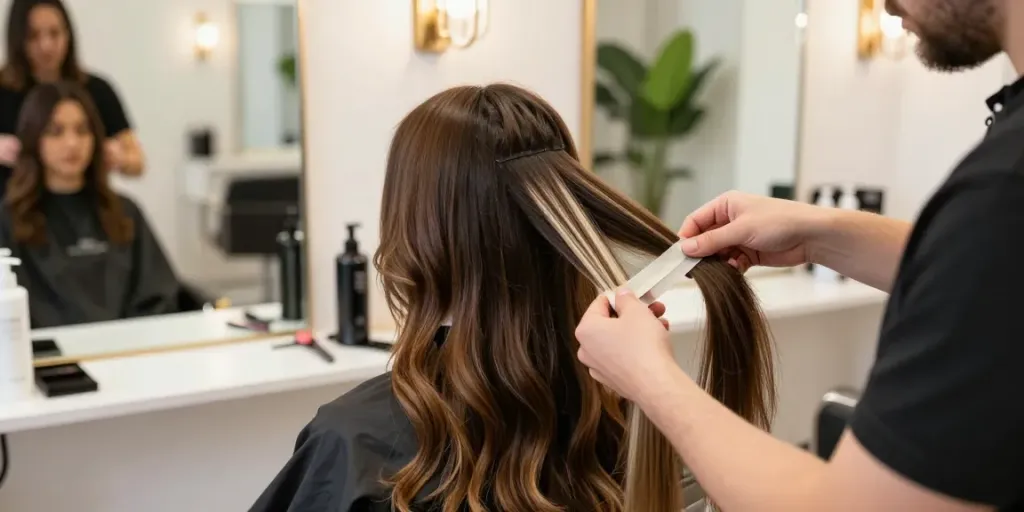
The technology behind invisible tape ins involves a special adhesive that is designed to be both strong and gentle on the hair. The tape is applied in sections, where small amounts of natural hair are sandwiched between two wefts of hair extensions. This method allows for a comfortable fit and prevents damage to the natural hair, making it a favored choice among professionals and enthusiasts alike.
Choosing the Right Extensions for Your Hair Type
Selecting the ideal hair extensions is crucial for achieving the desired look while maintaining the health of your natural hair. Understanding your specific hair type and texture will help narrow down your options effectively.
Understanding Hair Textures and Colors
Hair extensions come in various textures and colors to match a wide range of natural hair types. It's essential to choose extensions that closely align with your hair's texture—be it straight, wavy, or curly—and its color to ensure a flawless blend. Many brands offer custom color matching services to help you find the perfect shade.
Assessing Quality: Remy vs. Non-Remy Hair
When comparing hair extensions, quality is paramount. Remy hair is considered the highest quality because it retains the cuticle layer, leading to a more natural look and feel. Non-Remy hair, on the other hand, is mixed with various hair types and lacks the cuticle layer, which can result in tangling and a less realistic appearance. Always opt for Remy hair extensions for the best experience.
Matching Extensions to Your Natural Hair
To ensure that the extensions blend seamlessly, it's crucial to match their length and color with your natural hair. Most extensions come in a variety of lengths, so consider how long you want your hair to be. Additionally, consulting with a professional stylist can provide clarity on the best matching techniques and styles.
Application Process for Invisible Tape in Extensions
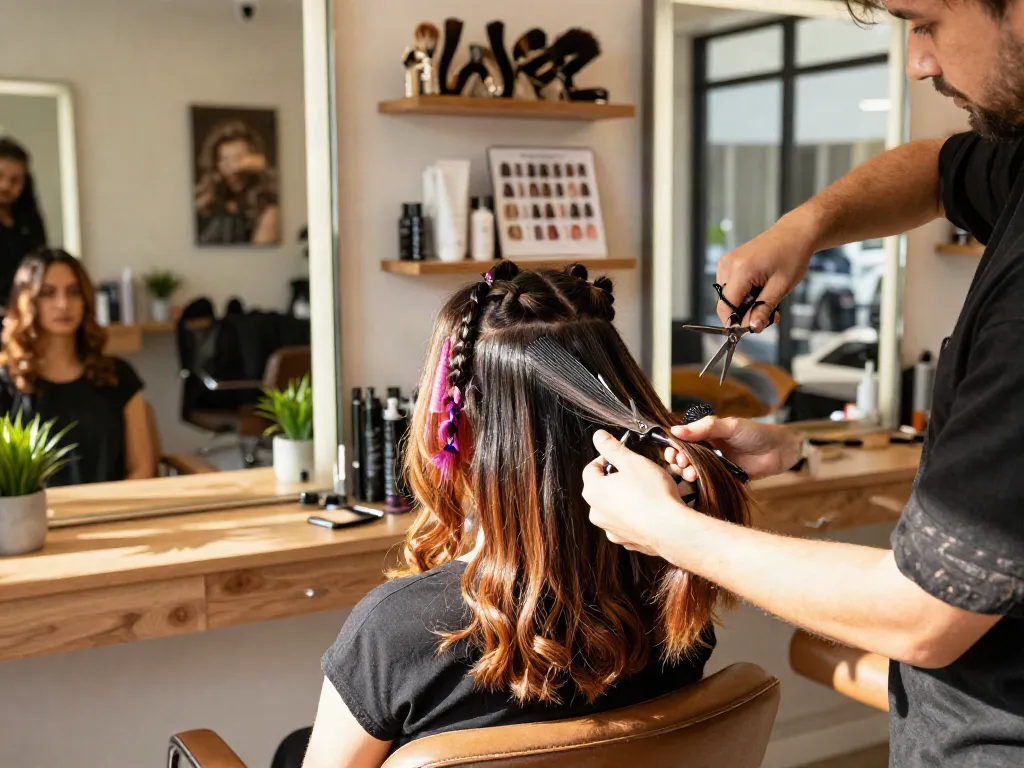
The application process for invisible tape in hair extensions can be straightforward, but it requires careful attention to detail for optimal results. Here’s a step-by-step guide to ensure a proper application.
Step-by-Step Guide to Application
- Preparation: Start with clean, dry hair. Avoid using heavy oils or conditioners that can interfere with the adhesive.
- Sectioning: Divide the hair into small, manageable sections to allow for easy application of the extensions.
- Placement: Take a small section of your natural hair, and place the extension weft below it, then press the adhesive strip into place, sandwiching your hair between two wefts.
- Sealing: Use a flat iron to heat the tape slightly, which will help secure the bond further.
- Finishing touches: Style your hair as desired, ensuring the extensions blend seamlessly.
Best Practices for Professional Application
If you're not confident in your ability to apply extensions yourself, consider visiting a salon. Professionals have the training and knowledge to apply extensions correctly, ensuring they are installed in a way that maximizes their lifespan and maintains your hair's health.
Common Mistakes to Avoid During Installation
When installing invisible tape in extensions, avoid the following common mistakes:
- Applying too much hair between wefts, which can lead to damage.
- Using products that can weaken the adhesive before application.
- Not ensuring the adhesive is correctly heated, affecting its longevity.
Caring for Your Invisible Tape in Hair Extensions
Proper care is essential to maintain the integrity and appearance of your invisible tape in extensions. With the right techniques, you can ensure they last as long as possible.
Daily Maintenance Tips for Longevity
To keep your extensions looking their best, adopt a daily care routine:
- Gently brush your hair to prevent tangles, starting from the bottom and working your way up.
- Avoid excessive heat styling, which can damage both your natural hair and the extensions.
- Use sulfate-free shampoos and conditioners to avoid stripping the hair's natural oils.
Recommended Products for Hair Health
Investing in high-quality hair care products can significantly enhance the lifespan of your extensions. Look for products specifically designed for hair extensions, including:
- Moisturizing leave-in conditioners
- Heat protectants for styling
- Gentle, sulfate-free shampoos
When to Seek Professional Help for Care
If you notice any signs of damage or if your extensions begin to slip out, it's essential to consult with a professional stylist. Regular check-ups can help maintain both your natural hair and the extensions, ensuring they remain in optimal condition.
Future Trends in Hair Extensions for 2026
The hair extension industry is continuously evolving, with new trends and technologies emerging regularly. Here are some anticipated trends for 2026.
Innovations in Hair Extension Technology
As technology advances, we can expect to see even more innovative methods of application and maintenance. This includes the development of new adhesive materials that are both stronger and more gentle on the hair.
Emerging Styles and Techniques in Hair Fashion
Fashion trends often influence the styles of hair extensions. In 2026, expect to see a rise in natural textures and vibrant colors, reflecting a broader acceptance of diverse styles and self-expression.
Expert Predictions for Hair Extension Market Growth
Industry experts predict significant growth in the hair extension market, driven by increasing consumer demand for personalized hair solutions. This growth will likely lead to more product options and innovations tailored to individual needs and preferences.
What is the average cost of invisible tape in hair extensions human hair?
The cost of invisible tape in hair extensions can vary widely, typically ranging from $50 to $150 per set, depending on the quality and length of the hair.
How long do invisible tape in hair extensions last?
When properly maintained, invisible tape in extensions can last anywhere from 6 to 12 weeks before needing to be re-taped or replaced.
Can I reuse invisible tape in hair extensions?
Yes, many invisible tape in extensions can be reused multiple times with the appropriate re-taping service, making them a cost-effective option in the long run.
What are the best practices for removing invisible tape in hair extensions?
To remove extensions safely, use a specialized adhesive remover or oil to dissolve the tape. Gently pull the wefts apart to prevent damage to your natural hair.
Are invisible tape in hair extensions suitable for all hair types?
Invisible tape in extensions are versatile and can be suitable for various hair types. However, it is essential to assess your hair's health and density to ensure they can support the additional weight of the extensions.