
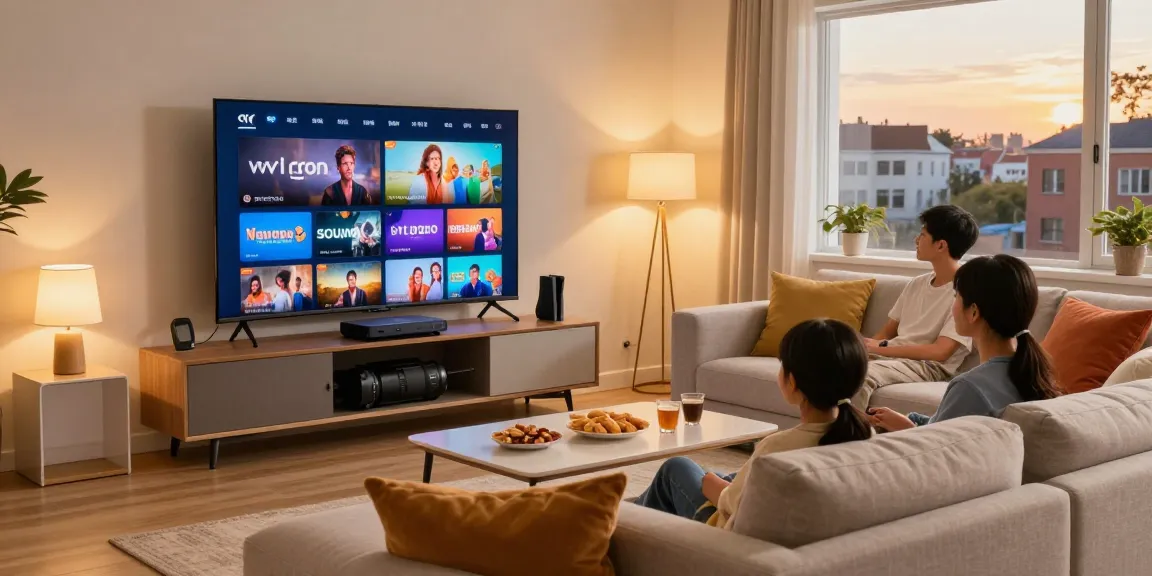
Understanding Cable Alternatives in 2026
The television landscape is evolving rapidly, marked by a significant shift away from traditional cable services. As more viewers seek to escape the escalating costs associated with cable subscriptions—often exceeding $150 a month—many are reconsidering their options. In this digital age, alternatives abound, but not all solutions provide the value and variety consumers are looking for. When exploring options, Best cable alternatives such as IPTV stand out for their affordability and content depth.
What Are Cable Alternatives?
Cable alternatives encompass a range of services designed to deliver television programming without traditional cable infrastructure. This includes streaming options via the internet, over-the-air (OTA) antennas, and subscription-based services that provide live and on-demand content. The most popular alternatives include IPTV (Internet Protocol Television), skinny bundles like YouTube TV and Hulu Live, and standalone streaming apps such as Netflix and Disney+. Each of these offers unique benefits and drawbacks, catering to various viewer needs.
Why Consider the Best Cable Alternatives?
With the rising prices of cable TV and the increasing complexity of channel packages, many consumers are searching for more straightforward, cost-effective solutions. Benefits of switching to cable alternatives include:
- Cost Savings: Alternatives often offer significant monthly savings compared to traditional cable.
- Flexibility: Many services operate without contracts, allowing users to cancel or switch plans easily.
- Diverse Content: From niche channels to extensive libraries of on-demand content, alternatives can cater to a variety of viewing tastes.
Changing Landscape of TV Viewing Habits
As technology advances, consumer preferences are shifting. Viewers increasingly favor on-demand content and streaming over live broadcasts, leading to the rise in popularity of OTT (over-the-top) services. Additionally, younger audiences are gravitating towards mobile and flexible viewing options, prompting many cable providers to reconsider their strategies. As a result, traditional cable providers are often seen as less appealing than innovative alternatives.
Exploring IPTV: The Preferred Choice
What Is IPTV and How Does It Work?
IPTV, or Internet Protocol Television, offers live television programming and on-demand content over the internet rather than through traditional cable or satellite means. Utilizing existing internet infrastructure, IPTV delivers content directly to users' devices, providing a seamless viewing experience. Unlike cable which requires physical cabling and installation, IPTV only requires a device capable of internet connection, such as smart TVs, smartphones, tablets, or computers.
Top Benefits of Switching to IPTV
The advantages of IPTV are numerous:
- Extensive Channel Selection: Quality IPTV services like Livetvfortv offer access to over 15,000 live channels, inclusive of all major networks.
- Affordable Pricing: Unlike traditional cable packages, IPTV services can start as low as $5.83 per month, making them incredibly budget-friendly.
- No Long-Term Contracts: Users can enjoy the freedom of canceling anytime without incurring penalties, unlike with traditional cable contracts.
How IPTV Stands Out Compared to Traditional Cable
When comparing IPTV to traditional cable TV, several key differences emerge:
- Cost: Typical cable packages can range from $120 to $180 per month, while IPTV services like Livetvfortv provide comprehensive options for much less.
- Channel Variety: Cable often bundles channels together, leading to numerous unwanted channels, while IPTV focuses on individual user preferences.
- Device Compatibility: IPTV services work across various devices, allowing for greater flexibility in how and where viewers choose to watch.
Comparing IPTV with Other Streaming Options
IPTV vs. Streaming Apps: A Closer Look
Streaming apps like Netflix, Hulu, and Disney+ provide extensive libraries of on-demand content but fall short in delivering live television. Fragmentation is a common issue, as users may find themselves subscribing to multiple services to get the content they desire. In contrast, IPTV not only offers on-demand viewing but encompasses live TV channels, sports, and more, all under a single subscription.
Skinny Bundles vs. IPTV: What’s the Difference?
Skinny bundles such as YouTube TV and Sling TV are marketed as modern alternatives to traditional cable. However, these services often come at higher monthly costs (ranging from $70 to $80) while offering limited channels (50-100 range). With IPTV, the sheer number of channels (15,000+) and low subscription fee makes it a far more appealing option for users looking to maximize value.
Over-the-Air Antennas: Are They Worth It?
Over-the-air antennas can be an effective way to receive free local channels such as ABC, CBS, and NBC. They are particularly useful when combined with an IPTV service to capture local news alongside a vast array of national and international programming. However, antennas alone do not provide the extensive content variety available through IPTV, making them more of a supplementary option.
Cost Analysis: Switching to IPTV
Real Cost Comparisons of Cable vs. IPTV
When analyzing the cost implications, traditional cable services impose not only high monthly fees but also often require equipment rental fees and hefty installations. For example:
- Cable TV: $120-180/month for 200-300 channels
- Skinny Bundles: $70-83/month for 50-100 channels
- IPTV: Starting from $5.83/month for 15,000+ channels
What You Save by Switching to IPTV
By switching from cable to IPTV, users can potentially save over $1,700 annually. With such substantial savings, it’s no wonder many are making the switch. The flexibility to choose a plan that fits your viewing needs means you only pay for what you actually watch.
Understanding Pricing Plans for IPTV Services
IPTV providers often offer various pricing tiers to suit different budgets and preferences. For instance:
- 1 Month: $19.99
- 3 Months: $29.99 ($9.99/month)
- 6 Months: $39.98 ($6.66/month)
- 12 Months: $69.99 ($5.83/month)
It's advisable to review these plans closely to select the option best suited to your viewing habits.
Future Trends and Predictions for TV Viewing
What to Expect from Cable Alternatives in 2026
As we look to the future, several trends are anticipated in the cable alternative space. Expect to see further consolidation among providers, enhanced user experience through technology integration, and an expansion of content offerings that cater to niche interests.
Impact of Technology on Streaming Services
Advancements in internet speeds and smart technology will likely facilitate more robust IPTV offerings. As 5G technology becomes commonplace, the delivery of high-quality streaming content will improve, encouraging wider adoption of services like IPTV.
How Consumer Preferences are Shaping the Industry
Consumer preferences are driving the evolution of viewing habits. The demand for personalized and user-friendly interfaces is prompting IPTV providers to adopt more sophisticated algorithms that recommend content based on viewing habits.
What Are the Pros and Cons of Each Option?
Each cable alternative presents unique advantages and challenges:
- IPTV: Pros include vast channel selection and affordability; cons may include dependence on internet speed.
- Streaming Apps: Pros are extensive libraries; cons involve fragmented content and additional costs from multiple subscriptions.
- Skinny Bundles: Pros are access to live TV; cons are higher costs for minimal channels compared to IPTVs.
- OTA Antennas: Pros are free local channels; cons include limited national programming.
How Can You Make the Right Choice?
Choosing the best cable alternative requires careful consideration of your viewing habits, preferences, and budget. Evaluate the services that best meet your needs, and don't hesitate to leverage the trial periods often offered by these providers to explore what works for you.