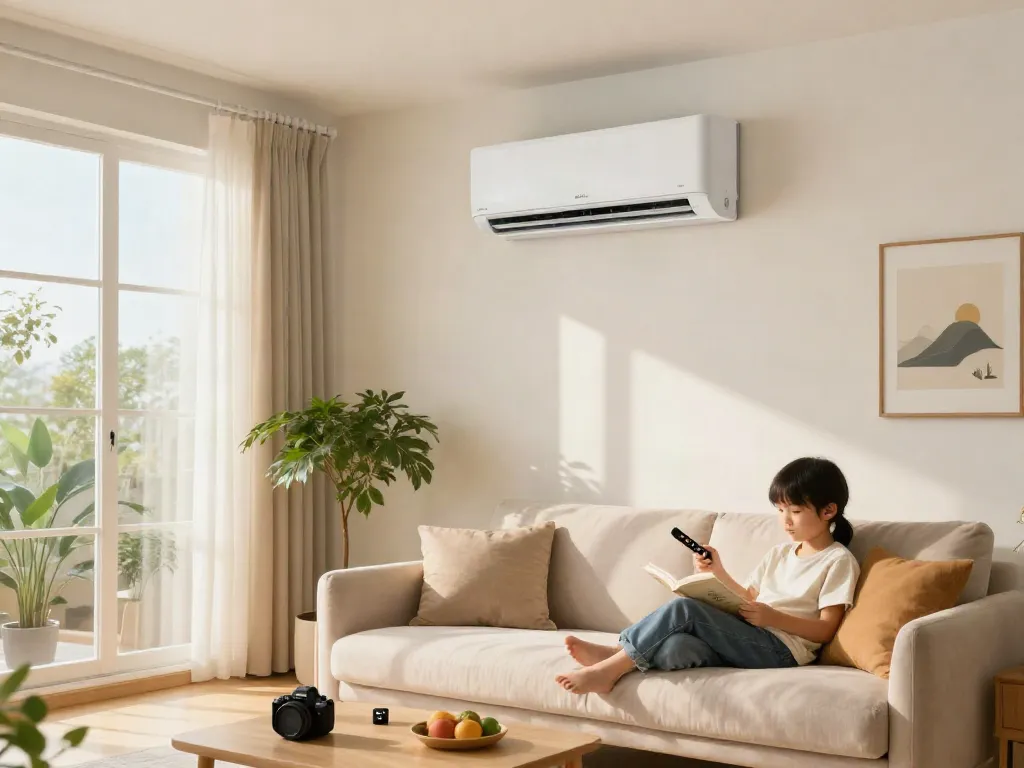
Understanding the 18k Mini Split System
The 18k mini split system is a popular choice for homeowners seeking efficient temperature control without the need for extensive ductwork. With a cooling capacity of 18,000 BTUs (British Thermal Units), these systems are designed to efficiently heat or cool spaces ranging from 550 to 1,000 square feet. As climate control remains an essential aspect of home comfort, understanding the capabilities and advantages of an 18k mini split system can significantly enhance your living environment. When exploring options, 18k mini split units provide comprehensive insights into modern air conditioning technology.
What is an 18k Mini Split?
An 18k mini split is a type of ductless heating and cooling system that consists of two main components: an indoor air handler and an outdoor condenser unit. These systems operate quietly and efficiently by transferring heat between the indoor and outdoor units. The 18,000 BTU capacity makes them suitable for medium to large rooms, including living rooms, open-concept spaces, and even insulated garages, making them versatile for various home setups.
Benefits of Mini Split Systems for Home Comfort
- Energy Efficiency: Mini splits utilize inverter technology that allows the system to adapt its speed based on the room's temperature, reducing energy consumption compared to traditional HVAC systems.
- Flexible Installation: The absence of ductwork allows for a range of installation options, making mini splits ideal for homes without existing ducts.
- Zone Control: Homeowners can install multiple indoor units, allowing for customized temperature settings in different rooms, which enhances comfort and energy savings.
- Quiet Operation: Mini splits are known for their whisper-quiet operation, making them an excellent choice for bedrooms and study rooms.
Key Features to Look For
When selecting an 18k mini split, there are several key features to consider:
- SEER Rating: The Seasonal Energy Efficiency Ratio (SEER) indicates the cooling efficiency of the unit. A higher SEER rating signifies better efficiency and potential energy savings.
- Heating Capacity: Ensure the unit can efficiently heat your space during colder months. Look for models that can provide sufficient heating performance even in lower temperatures.
- Smart Technology: Many modern mini splits offer Wi-Fi connectivity, allowing remote control through smartphone apps for added convenience.
- Warranty: Check for a robust warranty from the manufacturer, as this reflects the quality and reliability of the unit.
Installation Insights for Your 18k Mini Split
Proper installation is crucial for optimal performance and longevity of your 18k mini split system. Understanding the installation process can help you determine the best approach for your home.
Choosing the Right Location for Installation
Choosing the right location for your indoor and outdoor units is essential. Indoor units should be placed in areas where airflow is unobstructed, such as high on walls or in corners, while outdoor units need to be positioned in well-ventilated areas free from debris or obstructions. Additionally, consider the proximity of the indoor unit to the outdoor unit, as longer lines can reduce efficiency.
Professional vs. DIY Installation: Pros and Cons
While some homeowners may consider DIY installation to save on costs, hiring a professional can ensure that the system is installed correctly and efficiently. Professionals have the expertise to avoid common mistakes, comply with local codes, and provide warranties on their work. On the other hand, DIY can save money but may lead to issues if not done correctly.
Common Installation Mistakes to Avoid
Here are a few common mistakes to avoid during installation:
- Poor positioning: Avoid placing the indoor unit in areas that obstruct airflow, which can lead to inefficient cooling or heating.
- Inadequate insulation: Ensure that any refrigerant lines are well insulated to prevent energy loss.
- Ignoring local building codes: Always check local regulations regarding installations to ensure compliance.
Maximizing Efficiency and Performance
Once your 18k mini split is installed, keeping it running efficiently is vital for optimal performance and energy savings.
Tips for Optimal Temperature Control
To maximize efficiency, set the mini split to maintain comfortable temperatures without frequent adjustments. Utilize features such as "Eco Mode" or "Sleep Mode," if available, to reduce energy consumption during less active hours.
Regular Maintenance Practices for Longevity
Regular maintenance is key to extending the life of your mini split. Clean or replace filters every few months to ensure efficient airflow and check for any signs of refrigerant leaks. It's also advisable to schedule professional maintenance once a year for comprehensive checks of both the indoor and outdoor units.
Utilizing Smart Technology for Better Performance
Many modern 18k mini splits come equipped with smart technology features. By integrating your mini split with home automation systems, you can set schedules, monitor energy consumption, and receive alerts for maintenance needs directly to your smartphone.
Comparing 18k Mini Split Models
With numerous options available on the market, comparing different models will help you find the best fit for your needs.
Leading Brands and Their Offerings
Some of the leading brands in mini splits include Mitsubishi, Daikin, and MRCOOL. Each brand offers unique features, warranties, and energy efficiency ratings suited to various consumer preferences.
Feature Comparisons Among Top Models
Compare features such as SEER ratings, heating capacities, included accessories, and warranty terms to ensure you make an informed decision. For instance, some models may offer higher SEER ratings that translate into significant energy savings.
User Reviews and Feedback Analysis
Reading customer reviews can provide valuable insights into the performance and longevity of specific models. Pay attention to recurring themes in feedback, such as ease of use, efficiency, noise levels, and customer service experiences.
Future Trends in Mini Split Technology
The mini split technology landscape is continuously evolving, and several trends are shaping its future.
Innovations Expected in 2026
In the coming years, we can expect enhanced features, including improved inverter technology for greater efficiency, and integration with renewable energy sources for sustainable heating and cooling solutions.
Energy Efficiency and Sustainability Advances
The demand for energy-efficient systems will drive manufacturers to create models that use less energy while maintaining effective temperature control. Expect to see more mini splits that meet or exceed new energy-efficient regulations.
Integration with Home Automation Systems
As smart home technology continues to expand, mini splits will likely become even more connected, allowing for seamless integration with home automation systems to enhance user experience and energy management.
What room size is suitable for an 18k mini split?
Typically, an 18k mini split is suitable for areas ranging from 550 to 1,000 square feet, depending on insulation quality, ceiling height, and climate factors.
How do I maintain my 18k mini split system?
Regular maintenance includes cleaning or replacing filters, checking the refrigerant levels, and scheduling annual professional inspections to ensure the system operates efficiently.
Can I install an 18k mini split myself?
While DIY installation is possible, it is recommended to hire a professional to avoid mistakes and ensure compliance with local building codes.
What are the energy savings with an 18k mini split?
Energy savings vary by usage and model, but an energy-efficient mini split can reduce cooling and heating costs by up to 30% compared to traditional systems.
Are there any noise concerns with mini splits?
Mini splits are generally quieter than traditional HVAC systems, but noise levels can vary by model. It's essential to check specifications and user reviews for insights on sound levels.